













10/10/2026
If you have ever booked a waste clearance job and then seen the final bill creep up, you already...
Need waste disposal in Brent arranged with a clear, practical approach? We provide a straightforward service for clearing unwanted rubbish, bulky items and mixed waste, with options suited to homes, landlords, offices and building projects. The aim is simple: remove the right materials, handle them responsibly and leave you with a cleaner, easier space to use.
Our work covers one-off clearances as well as recurring collections, depending on what needs moving and how quickly it has to go. If you are comparing service options, the most useful place to start is the type of waste you have and the setting it is coming from. That helps determine the most suitable collection method, the likely loading time and whether specialist handling is needed for heavier or more awkward items.
We can deal with domestic clutter, office waste, garden cuttings, household appliances and building debris where the material is suitable for collection. A well-planned clearance usually means less disruption for the customer, because items are separated sensibly and removed in a way that matches the contents rather than forcing everything into one generic job. If you are ready to compare the work involved, take a look through the relevant pages and then request a quotation.
Waste disposal is rarely one-size-fits-all. A few bags of general rubbish, a stack of broken furniture and a van load of mixed renovation debris all involve different handling decisions, different time allowances and different disposal routes. We therefore shape the job around the load itself, which helps keep the process efficient and makes the service easier to understand before anything is booked in.
For a broader clearance, our waste clearance service suits situations where the items are spread through a room, loft, shed, garage or similar space. When the contents are mainly domestic, the domestic waste collection page is a useful reference point for everyday household rubbish and mixed non-hazardous material. Both are designed to make it easier to match the right collection to the job in hand.
For customers who need a removal of heavy furnishings, the furniture removal page covers the kind of items that can be awkward to move without the right planning. If the items are being disposed of rather than simply taken away for relocation, the furniture disposal page explains that route more clearly. In both cases, the important point is that bulky pieces are assessed properly before collection, so the work is arranged around access, lifting and the size of the load.
Many waste disposal jobs begin with a household space that has become difficult to manage. That may involve old furniture, bags of clothing, broken household items, boxes kept for too long or a mixture of contents that no longer serve a purpose. A house clearance needs to be organised carefully, because contents are often mixed, and some items may be worth keeping, donating or separating before removal.
If the job involves a full or partial property emptying, the house clearance page is the most relevant place to review the scope. For spaces above ground level or in tighter storage areas, the loft clearance service is useful where access, insulation, low beams or limited headroom affect how the work is carried out. These are both common examples of work where organisation matters as much as removal.
When preparing for a domestic clearance, two details are especially helpful: which items must go, and which ones should stay. If possible, keep anything you want preserved together and make access routes clear before collection time. It also helps to mention awkward items such as broken glass, heavy cabinets or tightly packed storage, because that can affect the sequence of removal and the amount of labour involved. If you have a mixed household load, a simple written list can save time when requesting a quotation.
Commercial waste disposal needs a more structured approach because businesses often generate a variety of materials at once. Desks, chairs, filing, packaging, general rubbish and redundant stock may all need to be handled in one visit. The right service should take account of office layout, access hours and the need to keep disruption low while items are removed from the premises efficiently.
Our commercial waste removal page suits organisations that need regular or one-off disposal for business waste streams. Where an office is being cleared, the office clearance page is the better fit, especially when furniture, paperwork, shelving and miscellaneous contents need to be removed together. For businesses comparing costs, the prices page provides a useful starting point for understanding how the overall service is structured.
Office work is often easiest to arrange when the client can identify the main categories of material rather than trying to catalogue every individual item. A brief description of what is being cleared, how much is involved and whether anything is especially heavy or difficult to reach will usually be enough to shape the quotation. If the collection needs to happen around staff, tenants or opening hours, that is worth mentioning early so the collection can be planned sensibly.
Building and refurbishment jobs produce waste that is more varied than ordinary household rubbish. Sacks, rubble, timber offcuts, broken fixtures, packaging and stripped-out fittings can all appear at once, and they usually need the load to be assessed as construction-related rather than domestic. Because of that, the service should be chosen with the worksite and the material type in mind, not simply the amount of waste visible on the day.
The builders waste disposal page is the relevant option for renovation and site clearance work, especially when the waste comes from strip-out or light construction activities. For smaller mixed loads that still need prompt removal, the rubbish collection page offers a broader fit. Where the job is mostly garden-related rather than internal building waste, the garden waste removal page is the more suitable route.
A practical quotation for this kind of work usually depends on the nature of the debris, the amount to be moved, the ease of access and whether the material is stacked neatly or scattered around the site. If there are stairs, narrow entrances, long carries or a need to coordinate with contractors, those factors should be noted. The clearer the description of the work area, the easier it is to match the collection to the actual task rather than an assumed one.
Some waste disposal jobs are less about volume and more about awkwardness. A single large appliance can be more troublesome than several bags of lighter rubbish, particularly when access is tight or the item must be carried through a narrow hall. The same applies to heavy furniture, worn-out fittings and mixed household items that cannot simply be left for ordinary collection.
If you need disposal of a washer, fridge, cooker or similar item, the white goods and appliance disposal page explains this type of work. For general property contents that include a range of bulky pieces, the waste disposal page is the broadest match. It is a useful choice when the load is mixed and you want a single collection rather than separate arrangements for every item.
When a job includes both bulky and lighter material, the most useful preparation is a simple split between what needs removing and what must stay behind. Photographs can help, but they are not a substitute for describing access, weight and the shape of the load. If a stairwell, basement or awkward doorway affects the work, mention that in the enquiry so the collection can be costed against the actual effort involved. Good information at the start tends to make the process smoother for everyone involved.
Brent is a London borough in the north-west of the capital, formed in 1965 from the merger of the former municipal boroughs of Wembley and Willesden. It stretches across a varied urban landscape that includes dense residential districts, busy shopping corridors and major civic and sporting landmarks. The borough’s name comes from the River Brent, which gives the area a historic geographic identity even where the modern built environment now dominates. Over time, Brent has developed a distinctly layered character, shaped by migration, suburban growth and the arrival of large-scale infrastructure. That history is visible in its mixture of Edwardian terraces, interwar housing estates, post-war redevelopment and more recent regeneration projects. One of the best-known landmarks is Wembley Stadium, whose present structure opened in 2007 and has become a defining feature of the local skyline. Nearby Wembley Arena adds to the district’s national profile as a venue for sport and entertainment. Elsewhere, the borough contains neighbourhoods such as Kilburn, Harlesden, Kensal Green, Cricklewood, Neasden and Kingsbury, each with its own streetscape and community identity. Parks and open spaces are also an important part of Brent’s character. Roundwood Park, Gladstone Park and Fryent Country Park provide green relief within an otherwise urban setting, while the Welsh Harp reservoir on the border with Barnet offers a sizeable area of water, wildlife and recreation. Transport links are strong, with rail, Underground and Overground connections supporting movement across the borough and into central London. The result is a place that combines everyday residential life with a number of nationally recognised locations, giving Brent a varied and well-established urban profile.
Responsible waste disposal is not only about taking items away. It also depends on how material is sorted, where it is taken and whether the handling process matches the type of waste being removed. Good disposal practice should make room for recycling where practical, while keeping unsuitable items out of the wrong stream. That is particularly important when the load contains a mixture of reusable, recyclable and general waste.
Customers who want to understand this side of the service can review the recycling and sustainability page, which is the best place to look for the general approach to material recovery and disposal choices. For reassurance on operating standards and safe working practice, the insurance and safety page is also relevant. Together, these pages help show how a collection should be managed with care rather than rushed through as a purely logistical exercise.
The safest approach for a customer is to be specific about anything fragile, heavy, contaminated or potentially unsuitable for ordinary disposal. That is especially true where the load includes mixed items from a garage, shed, office or refurbishment area. If you are uncertain how a particular item should be described, keep the explanation factual and simple rather than guessing. A clear account of the waste type helps the collection be planned properly from the outset.
Quotation requests work best when they describe the waste type, the amount involved, the access route and any items that need special handling. For many customers, that means sharing a short summary of the job rather than trying to work out every technical detail. A few practical notes are usually enough to show whether the collection is domestic, commercial, builders’ or a more general mixed load.
The pricing and quotes page is the clearest place to review how estimates are handled, while the payment and security page is useful if you want to understand the administrative side before going ahead. If you would like to compare services first, the about us page offers broader background on the business and its approach. That can be helpful when choosing between a general collection and a more specific clearance service.
If you are planning a job soon, the best next step is to request a quotation with a brief description of the waste and the location. You can also review the relevant service page first if you want to check which collection type fits best. For a straightforward start, send the details that matter most and then ask for the most suitable option. If you are ready to move ahead, contact us for a quotation.
Different waste problems call for different levels of support, and the clearest quotations usually come from matching the service page to the actual material. A loft full of mixed household contents, a shop clearance and a contractor’s rubble load may all need disposal, but they are not identical jobs. Choosing the closest fit helps avoid unnecessary confusion and makes the collection easier to schedule.
Where a job is more specific, the relevant page can give you a better understanding of the scope. The rubbish collection option is broad and practical, while the services overview page is useful when you want to compare the available routes in one place. If your enquiry involves a property or premises being emptied, the house, office and waste clearance pages sit naturally alongside those broader choices.
Before sending an enquiry, it helps to note whether the waste is bagged, loose, stacked, boxed or spread across a room. That detail matters because it changes the time needed to load and the kind of collection that is most suitable. For example, a compact pile beside a clear entrance may be much quicker to remove than the same amount of material stored at the back of a building. A concise description keeps the quotation accurate and the arrangement simple.

GET A FREE QUOTE
Too sick to move junk? Our team is here to help you out!
Get your place free of clutter at the price that is quite reasonable by just hiring our waste disposal Brent service.
 Tipper Van - Rubbish Removal and Garden Clearance Prices in Brent, NW1
| Space іn the van | Loadіng Time | Cubіc Yardѕ | Max Weight | Equivalent to: | Prіce* |
| Minimum Load | 10 min | 1.5 | 100-150 kg | 8 bin bags | £90 |
| 1/4 Load | 20 min | 3.5 | 200-250 kg | 20 bin bags | £160 |
| 1/2 Load | 40 min | 7 | 500-600kg | 40 bin bags | £250 |
| 3/4 Load | 50 min | 10 | 700-800 kg | 60 bin bags | £330 |
| Full Load | 60 min | 14 | 900-1100kg | 80 bin bags | £490 |
*Our rubbish removal prіces are baѕed on the VOLUME and the WEІGHT of the waste for collection.
 Luton Van - Rubbish Removal and Garden Clearance Prices in Brent, NW1
| Space іn the van | Loadіng Time | Cubіc Yardѕ | Max Weight | Equivalent to: | Prіce* |
| Minimum Load | 10 min | 1.5 | 100-150 kg | 8 bin bags | £90 |
| 1/4 Load | 40 min | 7 | 400-500 kg | 40 bin bags | £250 |
| 1/2 Load | 60 min | 12 | 900-1000kg | 80 bin bags | £370 |
| 3/4 Load | 90 min | 18 | 1400-1500 kg | 100 bin bags | £550 |
| Full Load | 120 min | 24 | 1800 - 2000kg | 120 bin bags | £670 |
*Our rubbish removal prіces are baѕed on the VOLUME and the WEІGHT of the waste for collection.
If you have ever booked a waste clearance job and then seen the final bill creep up, you already...
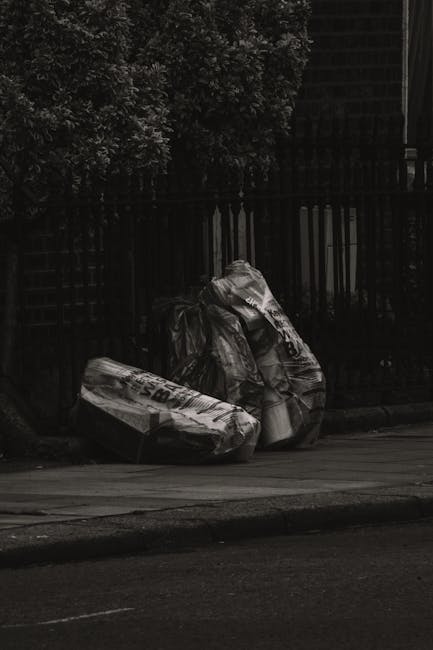
If you are trying to sort out a Kingsbury bulk rubbish pickup near Kingsbury High Road, you are...

Harlesden homes have their own rhythm.

Running an event at Wembley Stadium is exciting, but the waste side of it can become a headache...

If you need rubbish gone quickly in Willesden Green, you probably want the same thing everyone...

Brent, located in the northwest part of London, is a captivating suburb that offers visitors a...

Brent, a vibrant borough in North West London, offers a mix of rich culture, excellent transport...

Brent, a picturesque area in North-West London, is known for its vibrant community and eclectic...

Investing in property in Brent is becoming increasingly popular due to its growth potential and...

Brent, a suburban district in North West London, offers a unique blend of cultural diversity,...
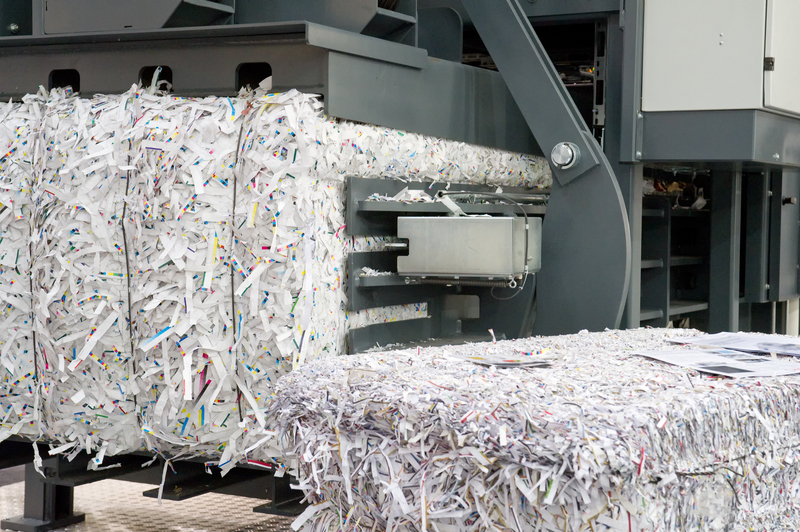
Brent, a vibrant borough located in Northwest London, has often been dubbed as a hidden gem. With...

 (80)
(80)